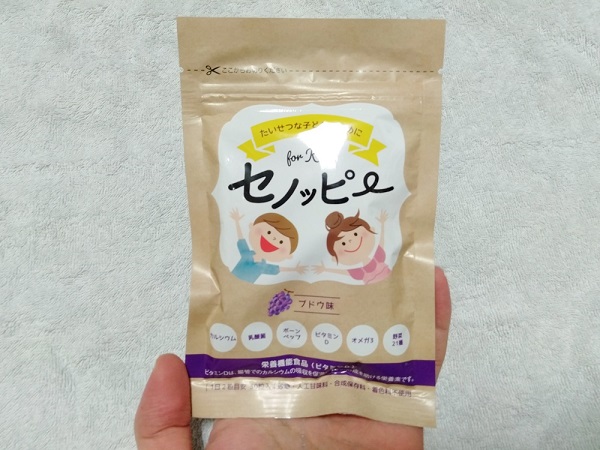
The Role of Vitamins in Child Development

Every single bodily function depends on an adequate supply of vitamins and minerals in the bloodstream, including the growth process. Nutrition has a major influence on the quality and speed of cell growth, starting in the uterus and continuing into adulthood. Poor prenatal nutrition will not only retard the growth process, but may also lead to birth defects and other physical abnormalities.

The most important group of vitamins in terms of growth and development are the vitamins that make up the Vitamin B complex. The B complex is critical for normal growth in children, as well as many physical and mental bodily functions. One of the vitamins with the B complex, Vitamin B12, is especially important for normal growth in children due to its supply of cobalt. Vitamin B9, also known as folic acid, is probably the most important of the B vitamins while the child is still inside the uterus. Folic acids are known to prevent birth defects and aids in the proper creation of the child’s DNA.

In order for a child to grow into a healthy body weight, the thyroid must function properly. The key mineral that aids in thyroid health and development is Zinc. Zinc deficiency is commonly seen in third world countries where diets are usually poor and the crops are grown in poor soil quality which is usually short on Zinc. Because of these factors, the percentage of retarded growth among children is unusually high. Depending on age and weight, children should be consuming between 10 and 15 mg of Zinc every day.

For a child’s bones to grow and develop into normal size and hardness, the most important vitamins and minerals, calcium, phosphorous, Vitamin D, Vitamin C, Vitamin K, Vitamin A, and magnesium, must all be present in sufficient quantity within the body. These vitamins and minerals all have properties that cause them to work as partners in regards to bone structure and density. Taken individually, they will not be as effective as they are when present as a group. Since the bones are continually losing calcium, sustaining the required levels of this group of vitamins and minerals is critical to proper growth.You have any issues relating to wherever and how to use セノッピー, you can contact us at our own webpage.

Anyone with children can tell you that it is not always easy to fit all these nutritional requirements into their daily diet. Kids won’t always eat the healthiest foods, and won’t often eat everything you put in front of them. For this reason, dietary supplements may be an easier and more effective way to ensure that your child will grow properly. However, different children have different dietary needs, so always consult with your family doctor before starting your child on a nutritional supplement program.

Child Nourishment and Kids Health Supplements

I am sure you will agree that very often you nag your kids into eating right. The disturbing part is malnourishment and the consoling part is most children are fussy eaters. Their priority while choosing foods is taste rather than the nutritional value. As a result, almost all kids prefer to eat junk food, sugary snacks, and candies. It is hard to find a child who loves eating his/her vegetables or prefers fruits to pretzels. It is still easy to track the diet of a child if one of the parents stays back at home. However, if you both are working or you are a working single parent, then monitoring the child’s diet or providing him or her with home cooked meals, is difficult.

A child’s body and brain are constantly growing. Therefore, it is extremely important that your kid’s diet comprises of the right balance of vitamins (like A, B, C, and D), calcium, iron, essential fatty acids, and minerals. Milk, dairy products, protein, whole grains, cereals, fresh fruits, and green vegetables need to be integral to your kid’s diet. If the child is not receiving the required nutrients in his/her daily diet, then the deficiencies may set in. The consequences can be a weak immune system, low energy levels, or even growth defects.

In such situations, the parents may choose to complement their child’s diet with various dietary supplements. These supplements are designed to meet your child’s daily requirement of vitamins and minerals so that they stay fit, active, and grow healthy. A huge array of pediatric nutritional supplements available in the market today, can well address a specific body need of your child. They are available not just in the conventional pills, capsules, or syrup form, but also as chewable tablets and soft dissolvable chews. These come in pleasant flavors of fruits and candy to appeal to a child’s tendency. If you have any concerns relating to wherever and how to use セノッピ, you can get hold of us at our own web site.

Recommended Kids Health Supplements

Muti-Vitamins with Minerals – They help in proper growth and development of the body. They should primarily supply Vitamins A, Bs, C, D, Calcium, and Iron.

Antioxidants – Help defend the system against free radical damage and boost the body’s immune function

Herbal Remedies – For children with tummy troubles, frequent respiratory infections, mild depression, or treatment of worms

Having said this, the experts insist on food as the key nourishment source for the kids. Try your best to supply all the nutrients to your child through his or her regular meals. Supplements should essentially be the last resort. Do refer to your child’s doctor before proceeding with any such supplements.

How to Increase Your Child’s Height

Are you looking for proven height increasing tips to naturally increase your child’s height? Do you know that by just helping your kids improve their sleeping habits will naturally boost the release of their human growth hormones? HGH is actively released to their circulation to lengthen and strengthen their bones.

It is important that you assist your children in their critical growth years. Kids naturally grow faster when they are in the puberty stage. Their nutrition and activities will be a deciding factor for them to reach their maximum growth potential as they reach adulthood.

Once your children reach the peak HGH production, its level will begin to decline as they age. Natural Human Growth Hormone is not only responsible for your height but It is equally useful in providing us with energy that is why it is important for you to help your body by supplementing the low levels so you will not suffer from decreased bone strength and low energy levels as you grow older.

A lot of people do not know that HGH also helps keep our hearts healthy and maintain a person’s ideal weight. It plays a direct role in mobilizing fat in our body. Did you know that if you do not stop or avoid eating fatty foods, you will only delay or stunt your height increase. So if you wish for a dramatic height increase, you should be wary with what you consume from now on. If you have just about any inquiries with regards to wherever as well as how to use セノッピー, you’ll be able to e-mail us in the web site.

If you really want to help increase your child’s height naturally and safely, encourage them to be physically active and have regular exercises. Actually, there are basic to advanced exercises that when performed on a regular basis can boost your height by lengthening your spine and legs. This is a more sound and practical height increasing tip than buying expensive height increasing shoes and supplements.

Parenting Child Care – Tips on Artificial Diets For Infants

The digestive system of an infant is not completely developed and is a very fragile one. Even slight modification in the diet of the infant can cause serious damage to the system of the infant. Mother’s milk is no doubt the best diet for the infant. But as the child grows, supplements and change of diet will be required. In this passage we describe about artificial diet to the infant.

Cows Milk and Water:

In cases where the mother’s milk is not available fresh cow’s milk mixed in as 2:1 the common ratio, can be given with little sugar in it. It is to be noted that cow’s milk should not be processed or boiled. It should be fresh and should not be stored at any point of time. It is the best meal that can be given to the infant in summer times. The water that is added can be boiled but not the milk used. When the infant grows older the ratio can be changed from 2:1 to 3:1, with no other change.

The milk can be given with a spoon or a feeding bottle. The digestion process takes place effectively only when the food is mixed with the saliva properly. Upon feeding with spoon mixing with saliva may not be achieved as per the requirement so usage of feeding bottle is preferred as it also gives the child the opportunity to suck at its own pace. You have any inquiries about where and how to use セノッピー, you can speak to us at our own website.

Solid Food Makes The Child Healthier – Misconception:

It a common misconception among many mothers that giving solid or semi solid food at the earliest will make the child stronger. Up to the age of six months milk is the best food that can be given, after which mashed fruits and vegetables can be added. Some mothers try giving crushed biscuits as a thick gruel. It is very dangerous to the infant’s digestive system, as it has high solid content it will cause severe indigestion and irritation leading to severe pain for the child. It will then lead to the usage of medicines like narcotics, cordials and antispasmodics that will finally cause the weakening of the entire system of the child.

Many mothers have another misconception that the child requires a variety of food for growth. But science says otherwise. Until the child is fully developed the digestive system of the child is designed in such a way that it can take nutrition from the milk only. So the next important of problem of over feeding the child in the pretext of giving a variety of food, has to be avoided. Over feeding may cause very severe damage to the child’s health leading to complications like irritation in bowels, indigestion, as well as nervous irritation.

Timing and Quantum of Diet:

The time interval of feeding the child is of at most importance. A time schedule for diet has to be prepared and followed regularly. The child should be fed with small amounts of food at regular intervals. The organs of digestion of the child are designed to digest food and not medicines.

The timing between each meal should be designed such that there is enough time for digestion. Only after complete digestion of the previous meal the next meal has to be given. The infant will produce signs of hunger as soon as the previous meal been digested. If the meal is given before complete digestion of the previous meal it will cause the undigested food to move down to the intestine, where fermentation of the undigested food will occur and will produce unwanted gas. Sometimes this gas may come up in the digestive tract causing severe irritation to the child, thus making the feed given a total waste.

Posture of Feeding:

The child should not be fed in a lying down position as the food will not enter the digestive tract properly. The best position is the have the child in a raised resting position, with the child’s back on the support of the mother’s hands. After the food is given the posture has to be maintained for at least 30 minutes, aiding the process of ingestion.

Diet for Growing Child:

Before the dentition of the infant grows solid should be avoided. For digestion of solid food (plant or animal source) proper chewing and mixing up with saliva is required. When a child without dentition is fed with solid food it will cause indigestion and irritability to the child.

Once the child develops dentition boiled and smashed vegetables or smashed solid food can be fed with milk. This stage is best for practicing to feed the child with a spoon. As more teeth appear, half boiled eggs and cereal pudding is also encouraged. Animal food can be neglected as the digestive coordination is not found to digest it.

Design a site like this with WordPress.com
Get started